


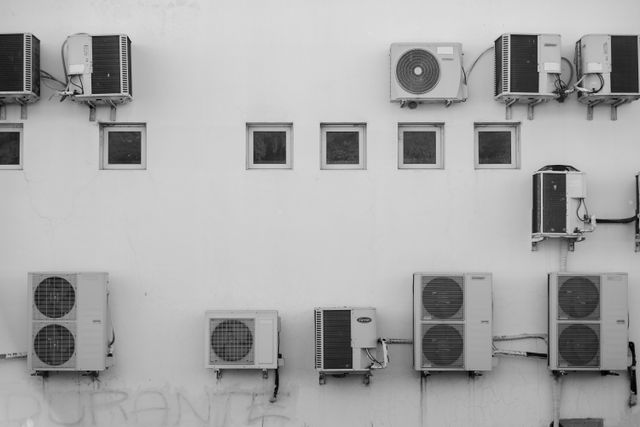
Air conditioning systems in Australia are usually assessed against three key areas: energy efficiency, cost performance, and how well they can regulate temperature.
Compressor Tech & Operational Mechanism
Things start to get interesting when you take a look at what’s going on inside the machine. Inverter air conditioners rely on a compressor system that can speed up and slow down to meet changing cooling demands. Think of it like a car that can cruise on the highway at 100km/h, then quickly accelerate to 120km/h and back again without breaking a sweat. This causes them to be a lot more flexible when it comes to output. Non-inverter systems, on the other hand, work with fixed speed compressors that are either fully on or fully off. So, they can be a bit more finicky when it comes to hitting the exact temperature you want.
In real world homes, especially when you’ve got a multi zone setup requiring a ducted aircon system, the differences between the two become much more noticeable. Non-inverter systems tend to create a temperature swing of anywhere from 2 to 4 degrees per cycle. Inverter systems manage to keep the temperature within a much tighter 0.5 to 1.2 degrees. This is mainly because inverter systems can keep running, whereas non-inverter systems switch on and off.
The way inverter systems keep temperature fluctuations down is another interesting fact. According to the International Energy Agency (IEA) and AS/NZS 3823 standards, each time a non-inverter unit starts up, it can use 3 to 5 times as much power as it normally would. This only lasts for a few seconds, but when you add it all up over the course of a day, it really starts to add up. When it’s a hot summer day and the temperature is above 30 degrees, it can have a real impact on the power bill.
How Energy Efficient Are They Really?
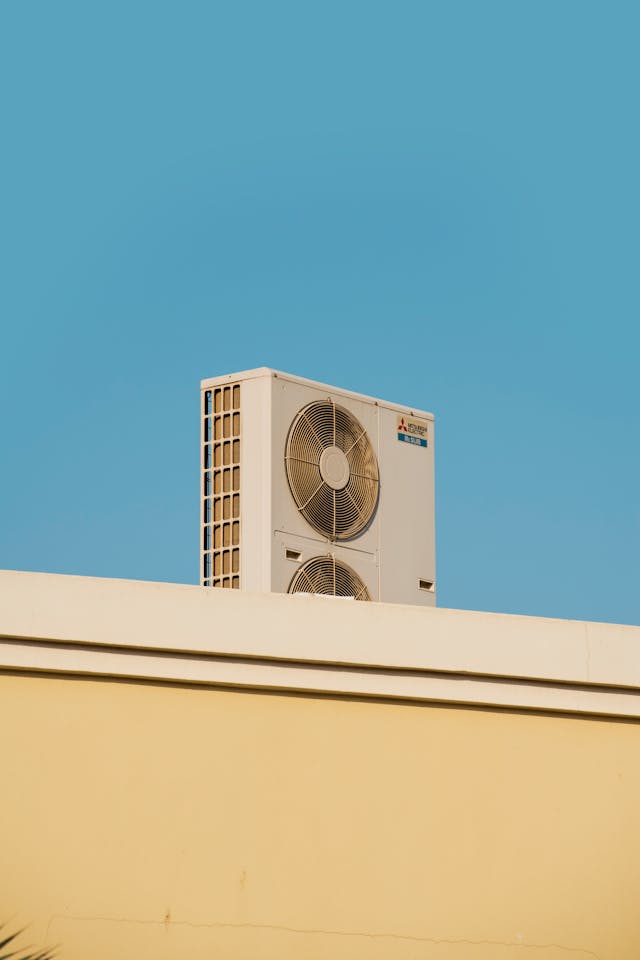
Energy usage patterns reveal a distinctly different picture when you look at how they use power under partial load, which is where they tend to spend most of their time. According to the CSIRO, they spend 60 to 80% of the time under partial load. And that’s where inverter systems really start to shine. Under partial load, they can cut power usage by 30% to 60%, depending on things like insulation and how variable the load is. A 2.5kW inverter split system, for example, will use about 0.6 to 1.1kW most of the time it’s running. Compare that to a non-inverter system, which will use zero power most of the time. Then it suddenly kicks into high gear and uses 1.2 to 1.5kW as it boots up.
For anyone paying attention to the bill, the difference is real. With power costing anywhere from 0.28 AUD/kWh to 0.35 AUD/kWh, and a typical inverter system running for 1200 hours a year, that 30 to 60% difference really starts to add up. When you’re talking about saving money, it’s all about the dollars and cents. Inverter systems can deliver yearly savings of around 120 to 210 dollars per unit, assuming the owner uses it regularly and lives in a region with decent power prices.
Cost Structure and Long-Term Financial Impact
You’ve got to consider the upfront costs when deciding on an air conditioner. Inverter models are generally pricier than non-inverter ones. They can be 15 to 35 per cent more expensive. A 2.5 kW non-inverter split system will typically set you back between 900 AUD and 1,300 AUD. The inverter versions start at around 1,200 AUD and can go up to 1,800 AUD before ducted air conditioning installation Melbourne. Getting an installed system in an urban area can cost anywhere between 2,000 AUD to 3,500 AUD for inverter units and between 1,600 AUD to 2,800 AUD for non-inverter systems. Even with the higher upfront cost, a lifecycle analysis carried out by Australian energy programs shows that the payback period for inverter units is between 3 to 5 years due to the reduced electricity usage. Over a 10-year span, you’d likely save between 1,000 AUD and 2,500 AUD per unit. This is especially true in homes that exceed 1,500 cooling hours per year.
Cooling Performance and Thermal Stability
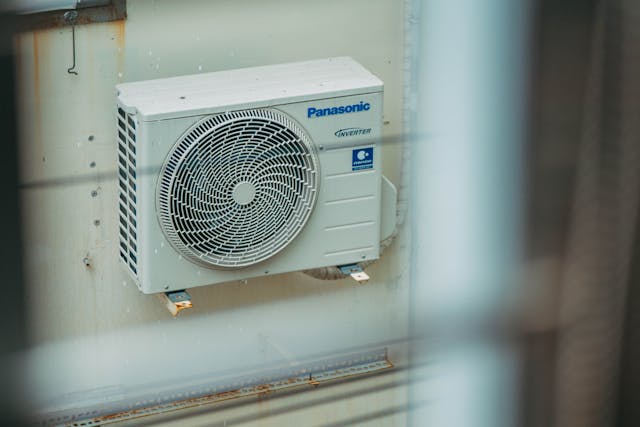
One of the key differences people notice when using an inverter unit is the temperature control. Non-inverter systems tend to maintain a temperature band of around ±2°C to ±3°C above or below the setpoint due to repeated cycling. Inverter systems are able to tighten that range to ±0.5°C to ±1°C through continuous adjustment. During heatwaves, where temperatures can soar to 40°C in inland regions, having a stable indoor temperature becomes even more important. An inverter unit will keep steady indoor conditions with smoother energy use. Whereas a non-inverter system will keep restarting and put a lot of stress on internal components.








Leave a comment