


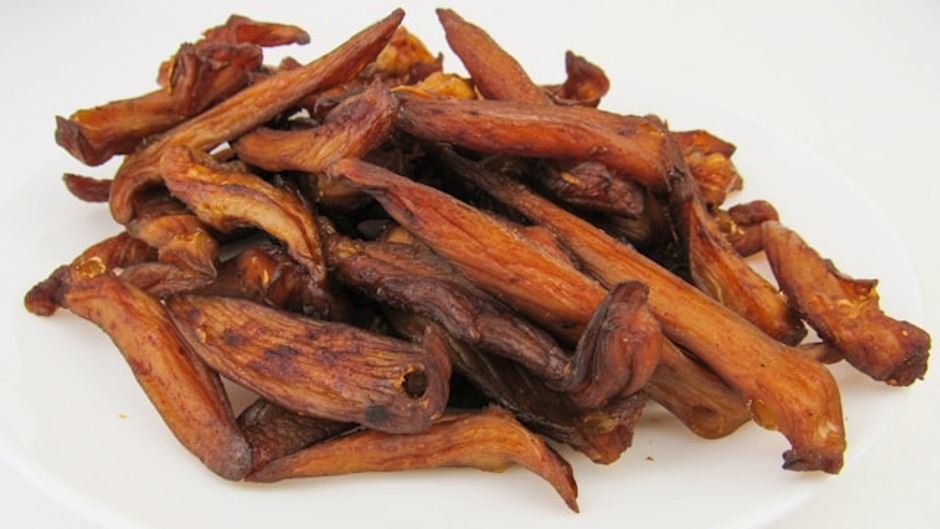
Australia’s fitness culture is still on the rise, with heaps of people getting involved in recreational sports, resistance training, endurance events and high-performance athletic programs. As training gets more intense, what you eat becomes a total game-changer in terms of recovery, muscle adaptation, energy and long-term performance. Protein is still king in most people’s sports nutrition strategies, especially when you’re looking for something convenient to grab between meals or after a workout. Among the many protein-focused snacks on the market in Australia, biltong has been getting a lot of attention because of its nutrient density and the fact it’s made from really simple ingredients.
High Protein Density Supports Muscle Recovery
Protein intake is one of the key things that affects how well your muscles repair and grow. Research has consistently shown that most athletes need somewhere in the range of 1.2 to 2.0 grams of protein per kilo of body weight every day, depending on how hard they’re training and what they’re trying to achieve. Biltong is pretty amazing in this respect. Nutritional analysis shows that many commercial versions have about 16 grams of protein per 28-gram serve, while others will give you over 50 grams of protein per 100 grams. That’s a lot more protein than most other snack foods. It even beats the concentration you’d get in fresh beef because of how it’s dried.
Rich Iron Content May Help Improve Endurance Performance
Iron is super important for getting oxygen around the body via haemoglobin and helps you produce energy aerobically. Not getting enough iron is a pretty common problem, and it can have a big impact on how well you perform in endurance sports. A single 28-gram serve of beef biltong will give you around 35% of your daily iron needs. That’s worth noting because the iron in meat is the haem iron kind, which is a lot easier to absorb than iron from plant sources. For runners, cyclists, triathletes and women who are at a higher risk of iron deficiency, having foods with high levels of easily absorbed iron can help you out in a pretty big way.
Low Carb Content Fits Different Training Approaches
A lot of sports nutrition plans involve manipulating your carb intake to suit your training. Athletes on lower-carb diets often struggle to find snacks that aren’t loaded with sugar. But most biltong products only have about 1 gram of carbs per serve. In comparison, some commercial snack bars can have between 15 and 30 grams of carbs per serve.
Essential Micronutrients Help Make or Break Your Athletic Performance
Athletic performance is more than just about having enough protein to go around. Micronutrients like zinc, magnesium, vitamin B12, and the other B complex vitamins play a huge role in keeping your immune system healthy, your red blood cells pumping, your nervous system on track, and your energy levels stable. Nutritional breakdowns of biltong show that it’s chock full of zinc and vitamin B12 and iron, which is a pretty big deal. Vitamin B12, in particular, is super important because it helps with red blood cell production and keeps your nervous system functioning as it should be. Zinc is just as important as it helps with tissue repair and keeping your immune system on its toes, especially when you’re pushing yourself hard in training.
The Better Satiety Option Compared with Most Other Snack Foods
Keeping your hunger under control is a challenge for any athlete trying to balance their performance goals with their body composition goals. Everyone knows protein is the most satiating macronutrient out there, meaning it does a much better job of making you feel full than carbs or fat. Studies have shown that with a diet rich in protein, people can really control their appetite and take in fewer calories overall. Biltong is no slouch in the protein department. It’s got about 16 grams of protein per ounce, which is a pretty appealing protein-to-calorie ratio when you compare it to how many savoury snack foods out there get you similar calories but way less protein. This is especially helpful when you’re trying to lose fat because it makes it way easier to stick to your diet.
There Are Some Limitations You Should Know About
While biltong has its nutritional strengths, it’s not without its drawbacks. The sodium content is the biggest concern. A lot of products have up to 550mg of sodium per serving, which is a pretty significant chunk of the daily limit for an adult. Now, sodium can be useful during long exercise sessions for keeping you hydrated and whatnot, but if you’re hammering it back outside of training, it could be causing some problems down the line for people with high blood pressure.










Leave a comment