



Kitchen renovation is an exciting opportunity to improve the appearance, functionality and comfort of your home. However, before new cabinets, countertops, flooring and appliances can be installed, the existing kitchen often needs to be removed carefully. Kitchen demolition is an important stage of the renovation process because it prepares the space for new installations while helping protect the surrounding areas of the property. Without proper planning and safety precautions, demolition work can result in unnecessary damage, unexpected expenses and project delays. Understanding how to prepare your home for safe kitchen demolition can help homeowners organise the renovation process, protect their belongings and create a suitable environment for the next stage of improvement.
Understanding the Importance of Safe Kitchen Demolition
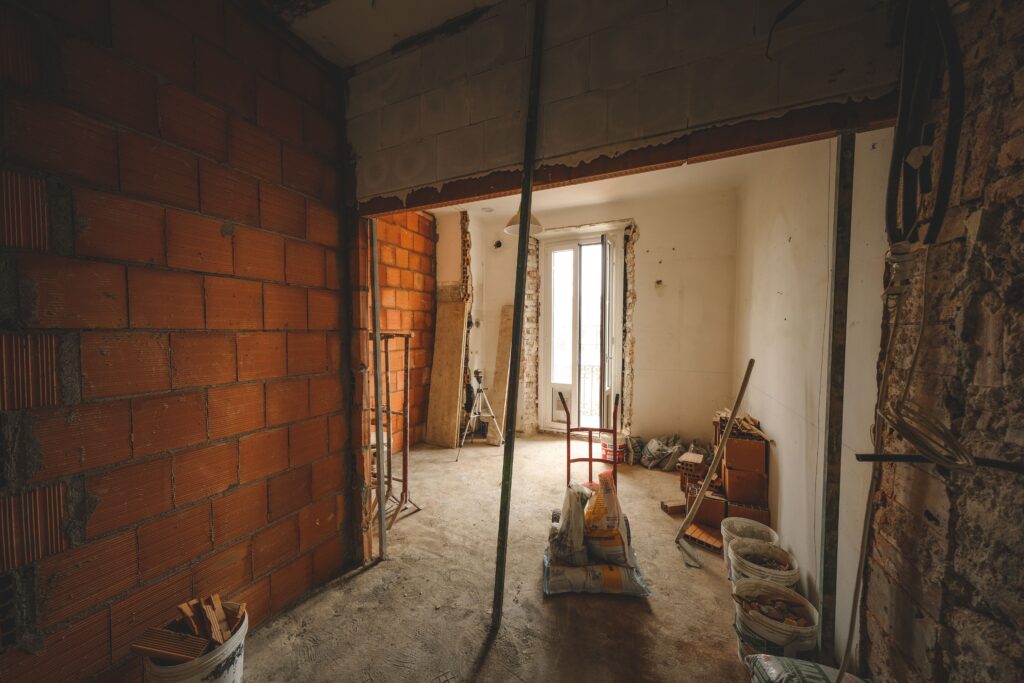
Safe kitchen demolition involves removing existing fixtures, materials and unwanted structures while taking appropriate precautions to protect the property and everyone involved. The process may include dismantling cabinets, countertops, backsplashes, flooring, appliances and selected wall materials. Each component requires a suitable removal method because different materials are installed using different techniques. Professional contractors experienced in kitchen demolition melbourne understand how to handle these tasks while reducing the risk of damage to nearby walls, floors and household systems. Taking a careful approach also helps ensure that the remaining kitchen structure is suitable for the planned renovation work.
Proper demolition can make a significant difference to the overall success of a kitchen renovation. Rushed removal work may damage plumbing connections, electrical wiring or structural components that need to remain intact. These problems can increase repair costs and create unnecessary complications before installation work begins. Homeowners should discuss the renovation plans with their demolition team to establish which materials need to be removed and which areas should be protected. Having a clear understanding of the project requirements allows contractors to organise their work more effectively and prepare the kitchen for future improvements.
Preparing Your Kitchen and Protecting Household Belongings
Before demolition begins, homeowners should prepare the kitchen by removing personal belongings and clearing the work area. Dishes, cookware, food items, small appliances and decorative objects should be packed away or moved to another room. Cabinets and drawers should also be emptied completely so that contractors can access the areas that need to be dismantled. Removing these items helps prevent accidental damage and allows workers to complete their tasks without unnecessary interruptions. It is also useful to organise temporary storage for essential kitchen supplies, especially when the renovation is expected to continue for several days or weeks.
Protecting the surrounding areas of your home is another important preparation step. Demolition can create dust and debris that may spread into nearby rooms, hallways and living spaces. Homeowners can discuss suitable protective measures with their contractors, including covering floors, sealing doorways and protecting nearby furniture. Plastic sheeting and temporary barriers can help limit the movement of dust during material removal. Establishing a clear pathway for workers and debris transportation can also improve site organisation. These simple precautions help minimise disruption to everyday household activities and keep the rest of the property cleaner throughout the renovation process.
Managing Plumbing, Electrical Connections and Structural Safety
Kitchen demolition often involves working around plumbing systems, electrical wiring and other essential household utilities. Before removing sinks, dishwashers, cooktops or other connected appliances, the relevant services must be safely disconnected. Electrical connections should be handled by qualified electricians, while plumbing work should be completed by appropriately experienced professionals. Gas appliances also require proper disconnection by qualified personnel before demolition begins. Identifying these connections in advance helps reduce the risk of leaks, electrical hazards and unexpected interruptions during the project. Homeowners should make sure that contractors understand the location of important utility lines before starting any removal work.
Structural safety should also be considered when the renovation involves removing walls, ceiling sections or built-in features. Some kitchen walls may support the weight of the building, so removing them without a proper assessment can create serious structural problems. Contractors should identify potential load-bearing structures and arrange for a qualified structural engineer when modifications are planned. Older properties may also contain materials such as asbestos-containing products or lead-based paint that require professional testing and specialised handling. Taking these precautions before demolition begins helps protect the property and ensures that renovation work can continue with fewer unexpected complications.
Controlling Dust, Debris and Waste During Demolition
Dust and construction debris are common by-products of kitchen demolition, making proper site management essential throughout the renovation process. Removing tiles, countertops, cabinets and drywall can release fine particles that may spread beyond the immediate work area. Professional demolition teams should use appropriate dust-control methods, protective equipment and suitable removal techniques to reduce airborne particles. Homeowners can also discuss ventilation and temporary barriers with their contractors to help prevent dust from entering occupied areas. Keeping the work zone organised and restricting unnecessary access can further improve safety and reduce disruption to other parts of the home.
Waste management is equally important because kitchen demolition can generate a considerable amount of unwanted material. Old cabinets, wooden panels, metal fixtures, tiles, countertops and flooring need to be collected and transported for appropriate disposal. Some materials may be suitable for recycling or reuse, depending on their condition and local waste management facilities. Homeowners should confirm whether debris collection and disposal are included in the contractor’s quotation before the project begins. Establishing clear arrangements for waste removal helps prevent materials from accumulating around the property and keeps the renovation site organised. Responsible disposal also supports a cleaner and more efficient renovation process.
Planning the Renovation Schedule and Working with Professional Contractors
A well-organised renovation schedule can help homeowners manage kitchen demolition more effectively and prepare for the installation work that follows. Before the project begins, it is useful to discuss the expected completion time, work stages and responsibilities with the demolition contractor. The schedule should account for appliance disconnection, material removal, debris transportation and final site cleanup. Homeowners should also consider how the temporary loss of kitchen facilities will affect daily routines and make alternative arrangements for preparing meals. Planning these details in advance can reduce inconvenience and help families adjust while the renovation is underway.
Working with experienced kitchen demolition contractors can make the entire preparation process more manageable. Professional teams can assess the kitchen, identify potential challenges and recommend appropriate removal methods based on the property’s condition and renovation requirements. Homeowners should review the contractor’s previous work, insurance coverage, customer feedback and written estimate before making a final decision. Clear communication is also important for discussing project expectations, safety procedures and any changes that may arise during demolition. By working with reliable professionals and preparing the property carefully, homeowners can create a safer working environment and ensure that the kitchen is ready for its next stage of transformation.







Leave a comment