


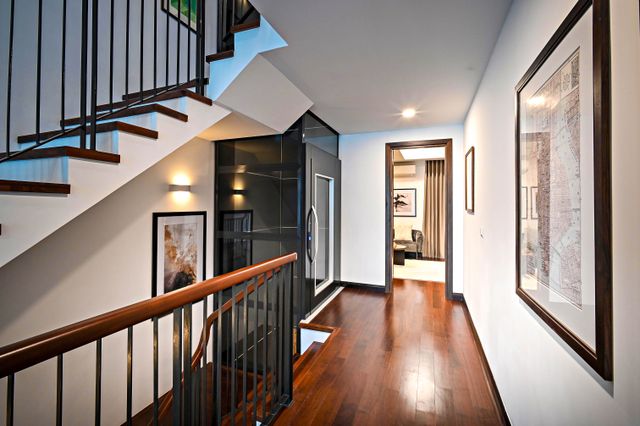
Something is shifting in the way Adelaide homeowners view multi-level homes. The government’s population projections for 2024 are painting a picture of South Australia’s elderly population set to increase by 43.9% between now and 2034, up from 179,500 to a predicted 258,300. With the trend of two and three-storey homes popping up all over the Hills, coastal areas and inner-city suburbs, it’s no surprise homeowners are starting to think more seriously about lift access in the home. And very often it’s being brought up a lot sooner in the build or renovation process than it used to be.
New Build Versus Retrofit: Why Timing Changes Everything
The cost and disruption of putting in home elevators Adelaide can vary a lot depending on when you decide to do it. If you’re building a new place from scratch, a lift can just be planned in from the start and built into the foundation right from the get-go. On the other hand, a retrofit into an existing place is a whole different ball game, requiring a structural review, maybe some load-bearing wall changes, and a very careful consideration of where the lift will go and how it will fit into the overall footprint. Folks who bring it up early, while the floor plans are still up for grabs, tend to find they’ve got way more options for where to put the lift and how to make it fit in with the rest of the place.
The Types of Residential Elevator Worth Understanding
The choice of elevator system will have a big impact on the overall structure of a project, the space it takes up, how it’s put in, and how much maintenance is needed going forward.
- Hydraulic Elevators: These are piston-driven systems that generally need a machine room; they’re a good fit for heavier loads and for multi-storey access in a standard residential build.
- Traction Elevators: These are more commonly found in commercial settings, not so often used in a typical Adelaide residential setting.
- Pneumatic Vacuum Elevators: These are self-supporting tube designs that take up a lot less space; they’re better suited to being used by one person at a time rather than heavy or shared movement.
- Platform Lifts: Essentially just a travel platform between floors, they come in all sorts of configurations, including open and enclosed designs; depending on the system and the manufacturer, they’re best suited to contained access needs.
When choosing the right system, it’s not just a matter of personal preference. The space available, the ceiling height, the number of floors you need to serve and who will be using the system regularly all play a part in determining what will actually work in your Adelaide property.
Structural and Space Considerations
Before you start thinking about which system to go with, you need to take a good hard look at what your home can physically accommodate. The dimensions of the shaft or housing can vary a lot depending on the type of elevator and you need to compare those to your existing floor plan. In retrofit situations, load-bearing wall implications can be a major factor; some installations require changes to the structure that can affect rooms in adjacent areas across multiple floors. People often underestimate the importance of ceiling clearance at the top landing, and the way entry points fit into the existing layout, including door widths, landing sizes and how close they are to the stairwells, can really make or break whether a particular system will work for you.
Questions Worth Asking Before Signing On the Dotted Line
The supplier selection process is where all the details matter most.
- What exactly is covered by the warranty; is it just the mechanical system, or the installation as well, and for how long?
- How does the servicing arrangement work, and what does ongoing maintenance involve?
- What’s the realistic timeframe between the deposit and the installation being completed?
- Are there any comparable installations in Adelaide that you can look at or talk to previous clients about?
- What happens if a component needs replacing once the warranty period has expired?
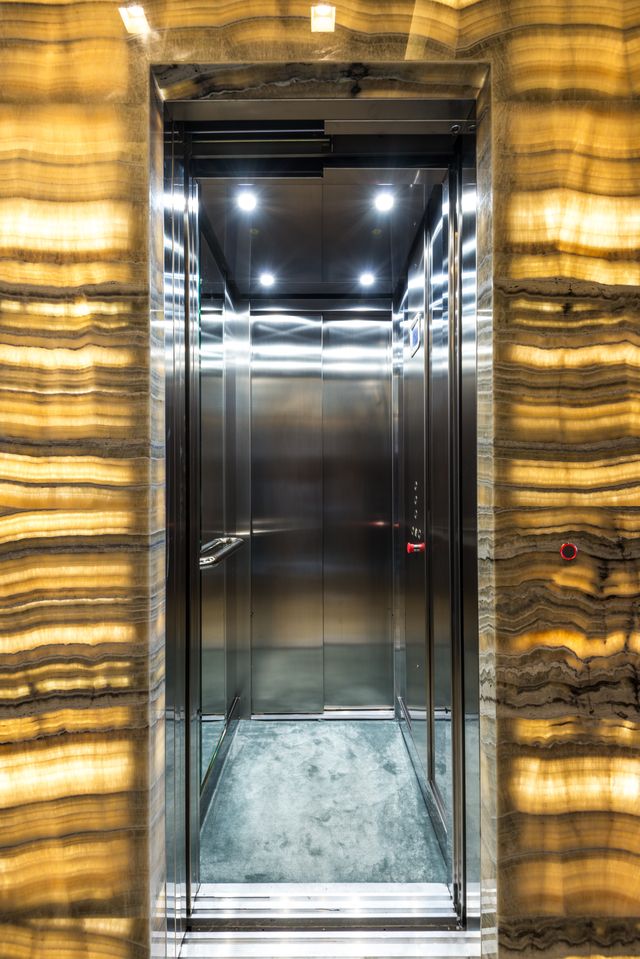
Registration and Compliance in South Australia
As per the rules set out by SafeWork SA, every lift that gets installed in South Australia needs to have an Australian design registration and comply with South Australian legislation; that includes lifts that are manufactured overseas. Each individual lift also needs to have an item of plant registration before it can actually be put into service. In most cases, the lift company will handle the registration paperwork on behalf of the owner. Depending on the specific project and the property, you may also need a development approval or building consent; it’s worth checking with the relevant authority early on, before you sign any contracts.







Leave a comment