


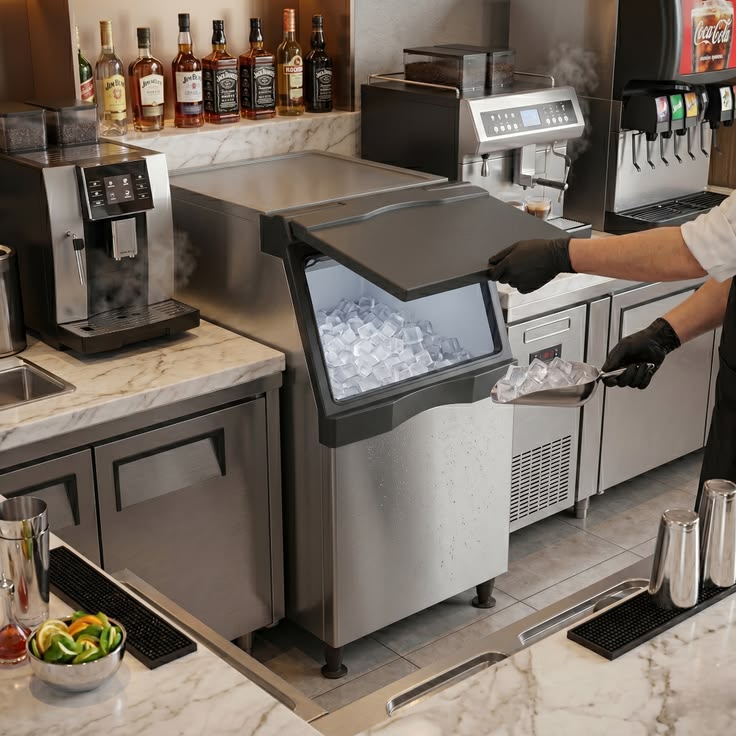
Choosing the right ice-making equipment is an important decision for venues that rely on a consistent supply of ice to support daily operations. Restaurants, cafés, bars, hotels, catering businesses, and entertainment venues all have different requirements depending on their customer numbers, beverage menus, and food service activities. The right commercial ice maker can improve service efficiency, maintain product quality, and reduce the inconvenience of running out of ice during busy periods. However, selecting suitable equipment involves more than comparing prices or choosing the largest machine available. Understanding production capacity, ice types, available space, energy efficiency, and maintenance requirements can help venue owners make a practical investment that supports their long-term operational needs.
Understanding Your Venue’s Ice Production Requirements
Before purchasing ice-making equipment, it is essential to estimate how much ice your venue uses during a typical day. A small café serving cold drinks may require considerably less ice than a busy restaurant, cocktail bar, or large hotel. Customer numbers, seasonal demand, menu choices, and operating hours can all influence daily consumption. For example, venues serving iced coffees, smoothies, cocktails, and chilled soft drinks may experience higher demand during warmer months or peak service periods. Assessing these factors helps establish a realistic production target and reduces the risk of investing in equipment that cannot keep up with demand. When comparing ice machines hoshizaki, consider your venue’s daily ice requirements to help identify a suitable option.
Choosing the Right Type of Ice for Your Services
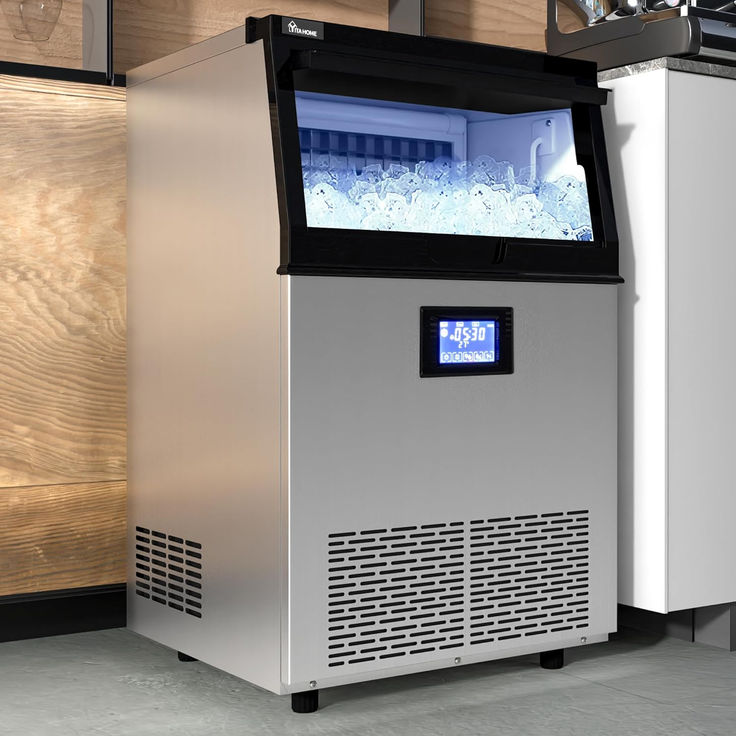
Different types of ice serve different purposes, making ice selection an important consideration when choosing commercial equipment. Full or half cubes are commonly used in restaurants, bars, and cafés because they work well in many cold beverages and generally melt more slowly than smaller ice formats. Smaller cubes can be useful for drinks that require quick chilling, while nugget ice is popular in certain beverage applications because of its soft, chewable texture. Flake ice is often used for displaying seafood, presenting fresh produce, and supporting specialised food preparation requirements. Understanding how each type performs can help businesses select a machine that matches their menu and service style.
The appearance, texture, and melting characteristics of ice can influence the customer experience. Cocktail bars may prioritise clear, well-shaped cubes that complement carefully prepared drinks, while cafés may prefer ice that suits iced coffee and blended beverage preparation. Food display areas may need flake ice to maintain an attractive presentation around chilled products. Purchasing a machine that produces an unsuitable ice type can create unnecessary limitations, even if its output capacity is sufficient. Venue owners should therefore consider the needs of bartenders, kitchen staff, and service teams before making a final decision. Matching ice production to the intended application can improve consistency and help maintain the quality of food and beverages.
Evaluating Equipment Size, Space, and Installation Needs
Available space is another important factor when choosing an ice maker for a commercial venue. Some machines are designed for installation beneath counters, making them suitable for compact cafés, small bars, and kitchens with limited floor space. Larger modular ice makers may be more appropriate for high-volume operations that require greater production capacity and separate storage bins. Before purchasing equipment, it is important to measure the intended installation area and check the machine’s dimensions, ventilation clearances, and access requirements. A unit that fits physically but lacks sufficient airflow or convenient servicing access may cause operational difficulties later.
Installation requirements should also be considered before selecting a particular model. Commercial ice makers generally need an appropriate water supply, drainage, and a suitable electrical connection, while some installations may require additional plumbing or filtration equipment. Water quality can affect ice clarity, flavour, and machine performance, so a suitable filtration system may be beneficial depending on the local supply and manufacturer’s recommendations. Venues should also assess the surrounding temperature because excessive heat and poor ventilation can affect production efficiency. Consulting a qualified installer or equipment supplier can help identify potential site limitations and ensure that the machine is installed safely and correctly.
Comparing Energy Efficiency, Reliability, and Running Costs
The purchase price is only one part of the overall cost of commercial ice-making equipment. Electricity consumption, water usage, cleaning supplies, filter replacements, servicing, and potential repairs all contribute to the long-term expense of operating a machine. Comparing models based on their efficiency ratings and manufacturer specifications can help businesses understand the likely running costs. An energy-efficient machine may have a higher initial price but could offer savings over its working life, particularly in venues that produce ice continuously throughout the day. It is also useful to check whether the machine’s production figures and efficiency information reflect the operating conditions expected at your premises.
Reliability is equally important because equipment failure can disrupt beverage preparation, food presentation, and customer service. Commercial ice makers designed for frequent use should have accessible replacement parts, clear maintenance instructions, and dependable technical support. Before purchasing, venue owners can review warranty coverage, servicing arrangements, and the availability of local technicians. It is also worth considering how quickly the business could obtain temporary ice supplies if the machine stopped working during a busy period. Choosing equipment from a reputable supplier and following the recommended maintenance schedule can help reduce avoidable downtime. A balanced assessment of purchase price, reliability, and ongoing expenses makes it easier to identify equipment that offers genuine long-term value.
Maintaining Hygiene and Planning for Long-Term Performance
Maintaining clean ice-making equipment is essential for supporting food safety and protecting the quality of drinks served to customers. Ice is intended for consumption in many hospitality settings, so machines must be cleaned and sanitised according to the manufacturer’s instructions and applicable food safety requirements. Regular maintenance typically includes cleaning internal components, sanitising the ice bin, inspecting water filters, and checking areas where moisture may accumulate. Staff should also use clean utensils when handling ice and avoid direct hand contact whenever possible. Establishing a consistent cleaning schedule helps reduce contamination risks and supports hygienic food and beverage preparation.
Long-term performance also depends on choosing equipment that suits the venue’s expected growth and operational demands. A small business that plans to expand its seating capacity or introduce a larger beverage menu may eventually need more production capacity than its current machine provides. Reviewing usage patterns, seasonal demand, and future service plans can help owners decide whether a modular system or an upgradeable setup would be more suitable. Keeping maintenance records and monitoring daily ice production can also help identify performance issues before they become major problems. By considering capacity, ice type, installation, efficiency, and hygiene together, venue owners can choose ice-making equipment that supports dependable service, consistent product quality, and efficient commercial operations.








Leave a comment