


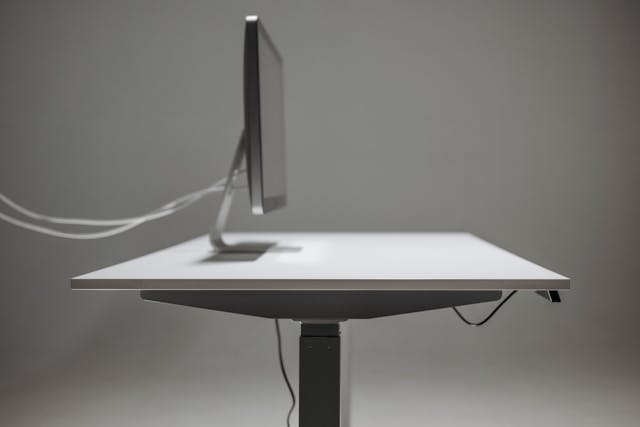
Deep work — the ability to focus without distraction on cognitively demanding tasks — has become a priority for modern professionals. As more Australians rethink their workspaces, the debate often comes down to two popular options: standing desks or ergonomic chairs. Both promise productivity gains, but which actually supports deep, sustained focus?
The answer isn’t as black and white as it might seem. Understanding how each setup affects your body, brain, and work habits is key to making the right choice.
The Case for Standing Desks
Standing desks have surged in popularity over the past decade, largely due to growing awareness around sedentary health risks. Advocates often point to standing desk benefits such as improved posture, reduced back pain, and increased energy levels. When used correctly, standing desks can help break the cycle of long, uninterrupted sitting and encourage more movement throughout the day.
Many people also report feeling more alert when standing. This mild increase in physical engagement can be useful for tasks that require creativity, problem-solving, or short bursts of focus. For some, standing helps reduce the post-lunch slump and keeps energy levels more consistent across the workday.
However, standing all day isn’t the goal — and it’s rarely effective for deep work on its own. Prolonged standing can lead to leg fatigue, joint strain, and discomfort if posture and footwear aren’t properly managed. Without the ability to fully relax the body, extended periods of intense concentration can actually become harder over time.

The Role of Ergonomic Chairs in Focused Work
Ergonomic chairs are designed specifically to support the body during long periods of seated work. When adjusted correctly, they help maintain neutral spine alignment, reduce muscle strain, and distribute weight evenly — all of which contribute to physical comfort.
Comfort matters more for deep work than many people realise. When your body is well supported, your brain is less likely to be distracted by discomfort. This makes ergonomic seating particularly effective for tasks that require long, uninterrupted focus, such as writing, coding, data analysis, or detailed planning.
A high-quality ergonomic chair also allows subtle movement while seated, supporting circulation without forcing constant posture changes. This balance can help maintain concentration for longer stretches, especially when combined with good desk height and screen positioning.
Standing vs Sitting: What Deep Work Really Requires
Deep work isn’t just about posture — it’s about minimising friction between your body and your task. If your setup causes discomfort, fatigue, or constant adjustments, your focus suffers.Standing desks tend to work best for:
- Shorter focused sessions
- Brainstorming or creative thinking
- Tasks that benefit from energy and movement
- Alternating between meetings and desk work
Ergonomic chairs tend to excel for:
- Long periods of uninterrupted concentration
- Detail-heavy or analytical tasks
- Work that requires steady posture and minimal physical distraction
- Extended computer-based tasks
The Best Answer: Movement, Not Extremes
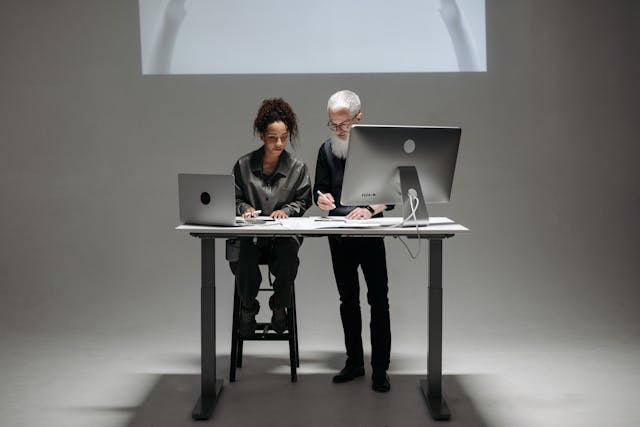
For most people, the best setup for deep work isn’t choosing one over the other — it’s combining both. Sit-stand workstations allow you to switch positions throughout the day, aligning your posture with the type of work you’re doing.You might stand while reviewing emails, planning, or collaborating, then sit comfortably in an ergonomic chair when it’s time to enter a deep focus state. This flexibility reduces fatigue, supports long-term health, and adapts to how your brain naturally works across the day.
Making the Right Choice for Your Workspace
When deciding between a standing desk, an ergonomic chair, or a combination of both, consider:
- The type of work you do most often
- How long you typically focus without breaks
- Any existing back, neck, or joint issues
- Your ability to adjust and personalise your setup
Deep work thrives when your workspace supports both physical comfort and mental clarity. Rather than chasing trends, the most productive environments are those that adapt to the worker — not the other way around.






Leave a comment