


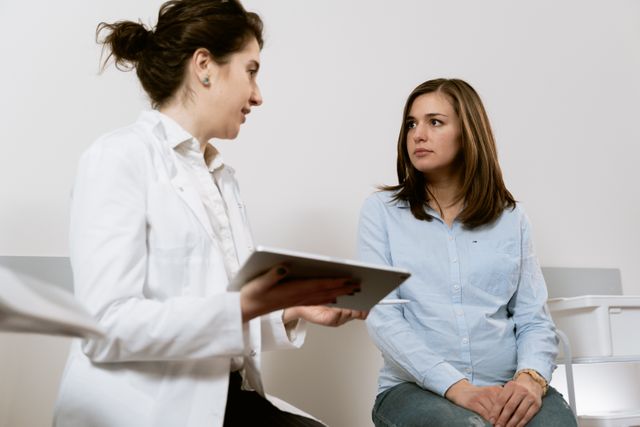
Women are often told to pay attention to their health, but the advice they receive can still feel strangely one-size-fits-all. Eat well, exercise, sleep more, manage stress, keep up with check-ups — all useful, of course, but not always enough when you’re dealing with symptoms that keep changing, concerns that feel hard to explain, or life stages that affect your body in ways no generic checklist can properly cover.
That’s why services like Her Health can be valuable for women who want healthcare that feels more personal, more specific, and more connected to what’s actually happening in their bodies. Whether the concern is hormonal changes, fertility, pelvic health, pregnancy, menopause, sexual wellbeing, mental health, or simply a sense that something isn’t right, women deserve support that doesn’t brush things off or make them feel like they’re being difficult for asking questions.
Symptoms shouldn’t be dismissed as “just normal”
One of the most frustrating experiences many women describe is being told that discomfort, pain, exhaustion, heavy periods, mood changes, low libido, or hormonal symptoms are just part of life. Sometimes symptoms are common, but that doesn’t automatically make them something you should have to tolerate without answers.
There’s a big difference between reassuring someone and dismissing them. Good women’s health support should make space for the full story, including how long symptoms have been happening, how they affect daily life, what has changed over time, and what the patient wants help with. That kind of conversation can be especially important when the issue is intimate, embarrassing, or difficult to describe.

Life stages change what support looks like
Women’s health needs rarely stay the same from one decade to the next. Teenage years, contraception decisions, pregnancy, postpartum recovery, fertility planning, perimenopause, menopause, and later-life health can all bring different questions and priorities. What feels urgent at 25 may not be the same at 45, and what worked for your body five years ago may not feel right now.
That’s why personalised care matters. It recognises that health isn’t just a list of isolated symptoms; it’s shaped by hormones, lifestyle, relationships, work, stress, medical history, emotional wellbeing, and the stage of life you’re in. When care takes those details seriously, it becomes easier to make decisions that suit the person rather than the average patient.
Trust makes the conversation easier
Women’s health often involves topics people don’t casually bring up in everyday conversation. Pelvic pain, painful sex, bladder concerns, period changes, fertility worries, vaginal symptoms, birth trauma, menopause symptoms, or emotional changes can all feel sensitive, even when they’re incredibly common.
Having the right practitioner or clinic environment can make those conversations much easier. You shouldn’t feel rushed, judged, or talked over. You should be able to ask direct questions, explain what’s been happening, and leave with a clearer idea of the next step, whether that involves testing, treatment, referral, education, or ongoing support.
Better care starts with being heard
The best women’s health care doesn’t make people feel like they have to prove their symptoms matter. It starts by listening properly, asking thoughtful questions, and treating each concern as worthy of attention.
That doesn’t mean every appointment will produce an instant answer, because health can be complex and some issues take time to investigate. But even when the path forward isn’t immediate, feeling heard can change the whole experience. It gives women more confidence to advocate for themselves, follow up when something doesn’t feel right, and make informed choices about their bodies.
Personalised women’s health support isn’t a luxury. It’s what healthcare should feel like in the first place.









Leave a comment